Kia Syros 2026 Update: More Accessible, But Is It Still the Right Buy?
4 min read
The Kia Syros has always occupied an interesting space in Kia’s India portfolio. Positioned between the mass appeal of the Kia Sonet and the more premium Kia Seltos, it was meant to offer a slightly more refined, more feature-rich take on the sub-4 metre SUV formula.
With the MY2026 update, introduced earlier this month, Kia hasn’t gone for a dramatic overhaul. Instead, it has reworked the Syros in a way that directly targets accessibility—both in terms of pricing and powertrain availability—while making subtle visual tweaks to keep the design fresh. But as with most mid-cycle revisions, what’s equally important is not just what has been added, but also what has been taken away.
At a glance, the headline change is straightforward. Prices for the Syros now start at ₹8.40 lakh (ex-showroom), bringing down the entry point by nearly ₹27,000. That alone signals Kia’s intent: widen the funnel, attract more first-time SUV buyers, and position the Syros more competitively against rivals like the Hyundai Venue, Tata Nexon and Maruti Suzuki Brezza.
However, the more meaningful change lies deeper in the variant restructuring.
The Syros now comes in a revised seven-variant lineup, with new trims like HTE, HTE(O), HTK+(O) and HTX(O) replacing several earlier configurations. On paper, this looks like a standard portfolio clean-up. In practice, it reflects a shift in how Kia wants the Syros to be perceived—not as a top-heavy, feature-loaded offering, but as a more evenly distributed product across price points.
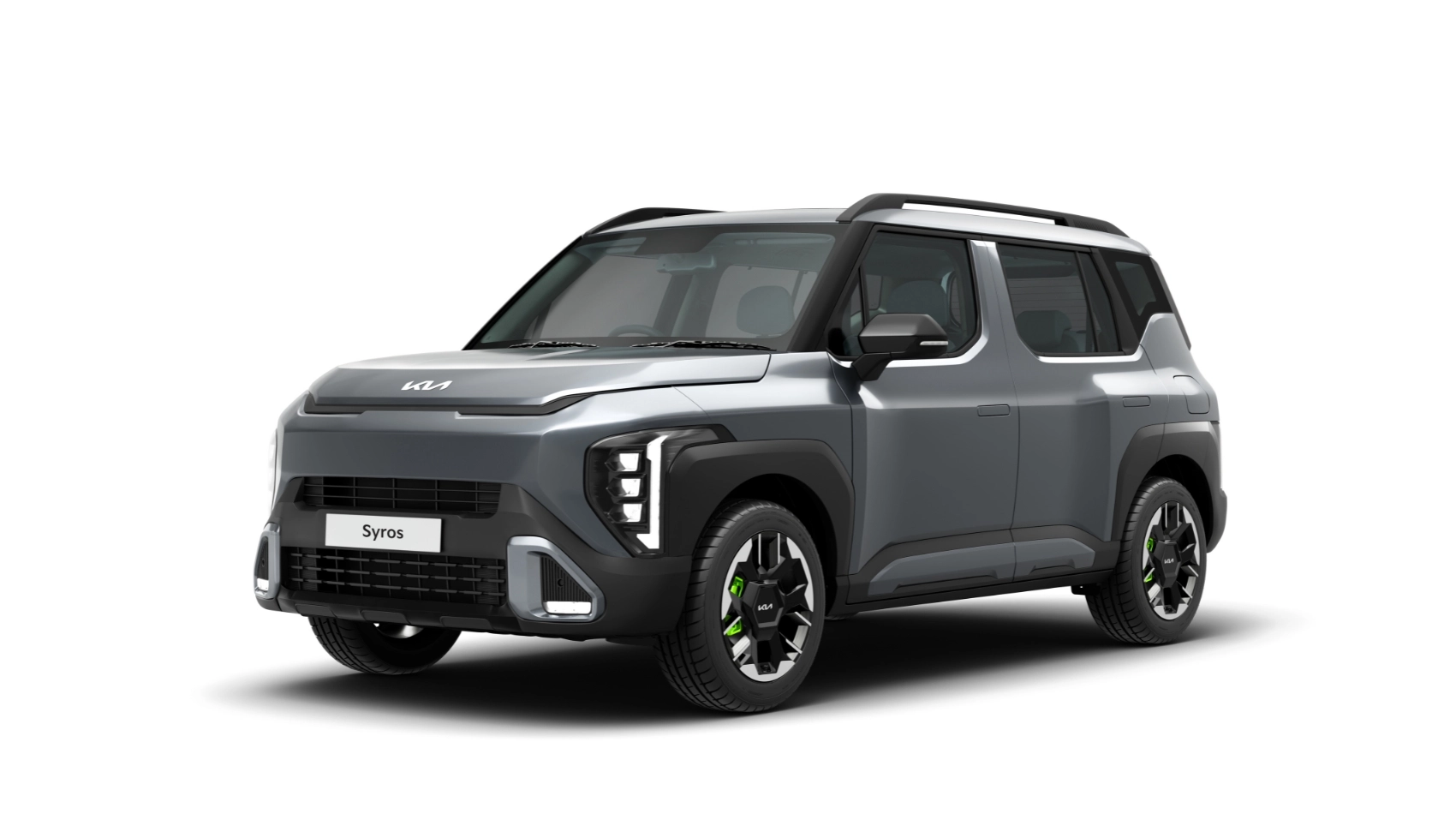
This shift becomes most evident when you look at the powertrain strategy. The 1.5-litre diesel paired with an automatic gearbox—previously restricted to higher trims—has now been introduced lower down the lineup. As a result, the entry price for a diesel-automatic Syros has dropped significantly, by over ₹3 lakh in some configurations.
For a segment where diesel-automatic combinations are still relatively limited, this is a meaningful move. It directly improves real-world usability for urban buyers who prioritise convenience but don’t want to give up on efficiency.
Mechanically, there are no changes. The Syros continues with its 1.0-litre turbo-petrol engine producing 120hp and 172Nm, alongside the 1.5-litre diesel delivering 116hp and 250Nm. Transmission options remain the same, but their accessibility has improved—and that’s the key takeaway here.
Visually, the changes are subtle but noticeable. The front and rear bumpers have been reworked with body-coloured inserts, while the skid plates now get a gloss-black finish instead of the earlier silver treatment. Higher variants receive updated LED fog lamps and a revised lighting signature, while the top trims feature newly designed 17-inch alloy wheels paired with neon brake callipers.
There’s also an expansion in colour options, with additions like Magma Red and Ivory Silver in both matte and gloss finishes. These changes don’t alter the fundamental design language, but they do attempt to address one of the Syros’ persistent criticisms—its lack of visual appeal compared to its more conventionally styled rivals.
Step inside, and the story becomes more layered.
](/assets/kia-syros-new-interior-dashboard-image-on-carbae-the-new-car-buying-platform-kia-syros-on-road-price-kia-syros-offers-kia-syros-test-drive-booking-kia-syros-exchange.jpg "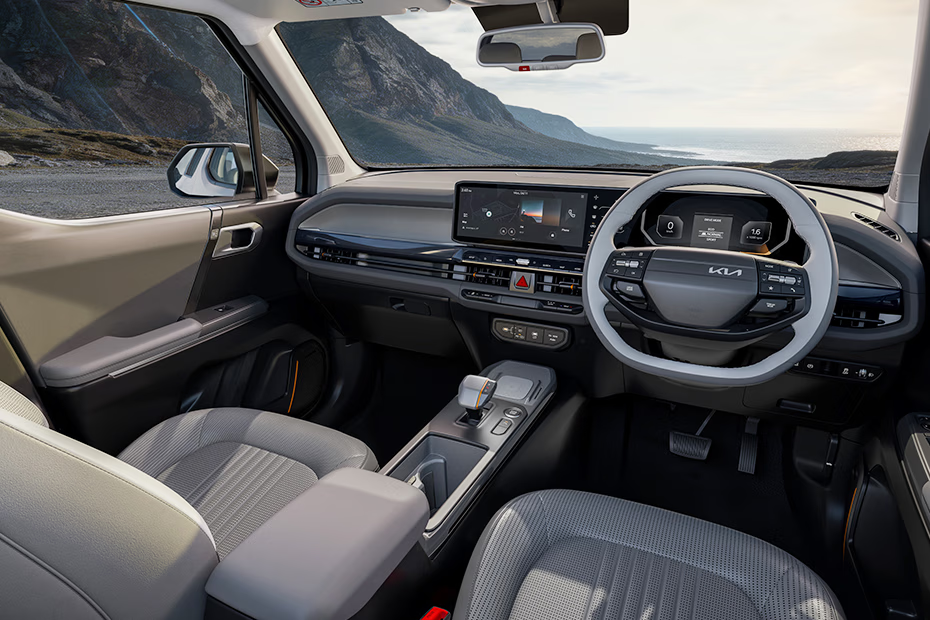
While the Syros continues to offer a premium cabin experience in its higher variants—complete with large digital displays, ambient lighting, panoramic sunroof, and ventilated seats—the redistribution of features across variants changes the overall perception of value.
The base variants now miss out on elements that were previously standard, including the larger touchscreen, rear-view camera, auto headlamps, and tyre pressure monitoring system. More notably, features like the 360-degree camera and ADAS suite have been removed entirely from the lineup.
This is a significant shift, especially for a brand like Kia that has built its reputation in India on offering feature-rich products. The Syros, in its earlier form, leaned heavily into that identity. With this update, it steps slightly away from it.
The question, then, is whether this trade-off makes sense.
From a purely strategic standpoint, it does. By lowering the entry price and expanding access to key powertrain options, Kia is clearly prioritising volume. The Syros is no longer trying to be the most feature-loaded car in the segment—it is trying to be a more balanced, more approachable option.
But from a buyer’s perspective, the answer depends entirely on where you’re entering the lineup.
If you’re looking at the lower or mid variants, the Syros now makes a stronger case than before. The improved pricing and wider availability of the diesel-automatic combination make it a more practical choice for everyday use.
](/assets/kia-syros-new-interior-image-image-on-carbae-the-new-car-buying-platform-kia-syros-on-road-price-kia-syros-offers-kia-syros-test-drive-booking-kia-syros-exchange.webp "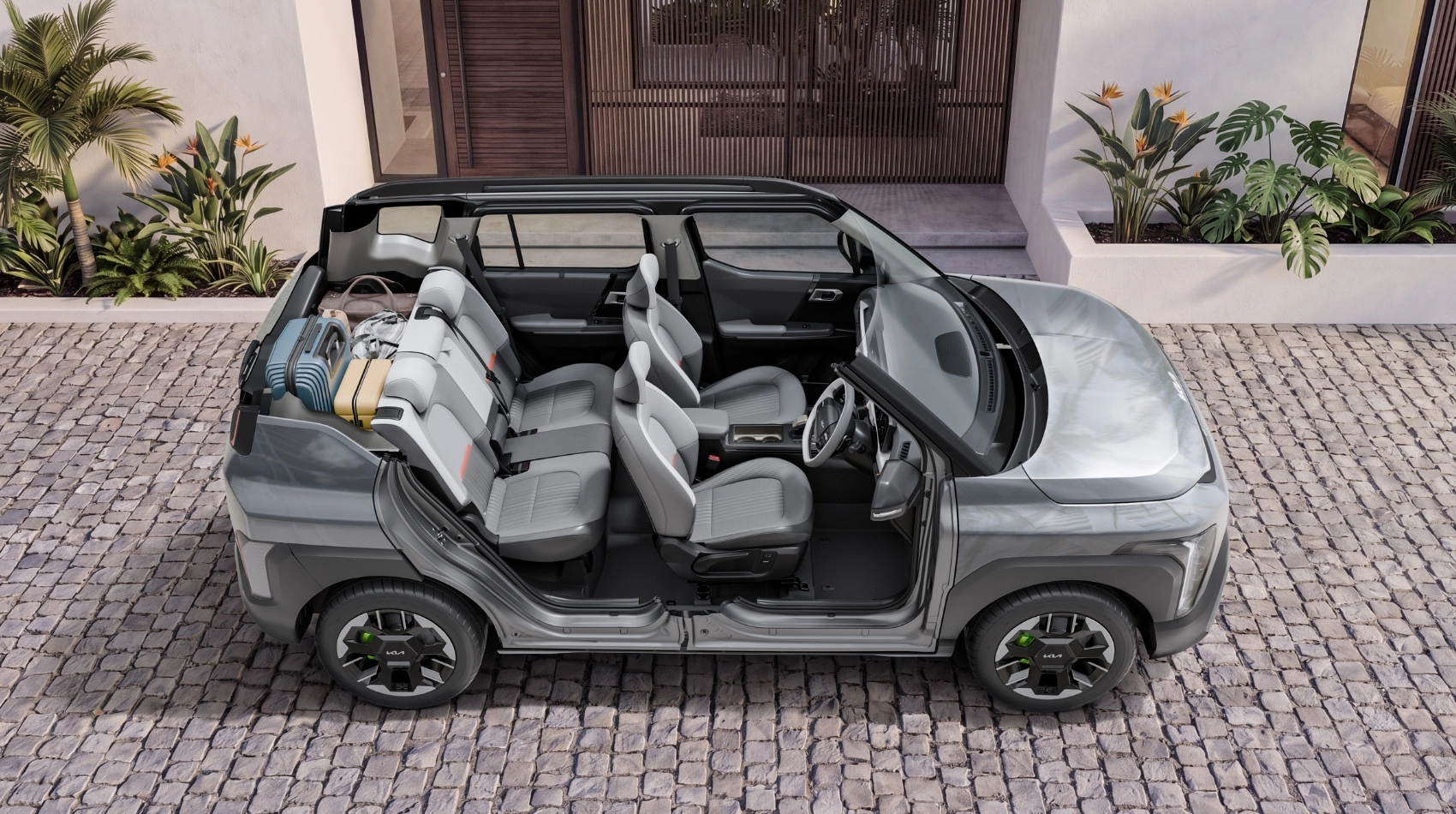
However, if you were considering the Syros for its feature-rich positioning, the removal of certain high-end technologies does change the equation. In that context, alternatives like the Kia Sonet or even higher-segment options may start to feel more compelling.
In the larger picture, this update doesn’t redefine the Syros. It recalibrates it.
It brings the product closer to the core of the segment, makes it more accessible, and improves its usability in real-world conditions. At the same time, it steps back slightly from the feature-heavy identity that once set it apart.
And that’s what makes the 2026 Syros update interesting. It’s not about adding more—it’s about choosing where to compete.
For buyers, that choice now matters more than ever.